
Amid the booming popularity of photovoltaic new energy in 2026, PV energy storage batteries stand as the indispensable core component of all residential and commercial PV-storage hybrid systems. High-performance solar storage batteries directly control your solar self-consumption rate, monthly grid electricity bills, and the total service lifespan of your photovoltaic power setup. Whether you plan to install rooftop residential PV storage for your villa or deploy distributed solar power for industrial & commercial factories, picking reliable lithium energy storage batteries is the most vital step to lower energy costs and raise long-term power generation efficiency.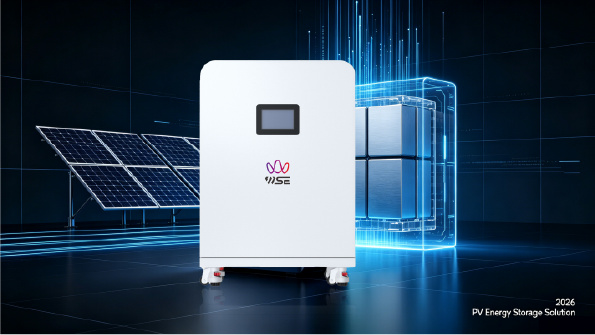
Most new solar buyers only compare nominal battery capacity and upfront price tags, ignoring critical core specs including internal cell materials, intelligent temperature control systems, built-in BMS protection, and long-term operation & maintenance service support. This careless selection often triggers common troubles: fast lithium capacity attenuation, hidden thermal runaway safety risks, and much slower investment payback cycles than expected. Drawing on 8 years of real-world PV energy storage industry experience, this detailed guide breaks down practical, actionable tips covering solar storage battery type selection, capacity matching, correct installation standards and daily long-term maintenance.
Two mainstream safe cell technologies dominate today’s solar energy storage market: lithium iron phosphate (LFP) prismatic batteries and sodium-ion storage batteries. LFP solar storage cells own fully mature industrial technology, supporting more than 6,000 full charge-discharge cycles, with excellent high-temperature resistance and ultra-low thermal runaway risks, making them the top choice for most household PV storage projects. Sodium-ion energy storage batteries excel in extreme low-temperature environments, maintaining stable power discharge even at -20°C ambient temperature. This advantage makes sodium-ion solar batteries perfect for cold northern zones with insufficient winter sunlight, while also carrying great potential for future cost reduction.
We strongly advise all solar investors to stay away from cheap inferior ternary lithium batteries for PV storage. Ternary cells have weak thermal stability; under the heavy high-power charge and discharge loads of industrial & commercial energy storage systems, they carry significant fire hazards. Trustworthy certified PV storage solutions all adopt standardized, low-risk LFP or sodium-ion cell architectures.
A professional Battery Management System (BMS) is the second non-negotiable core of a complete solar energy storage unit. Premium integrated BMS hardware monitors the real-time voltage, temperature and state of charge of every single prismatic storage cell, and runs automatic voltage balancing to stop single-cell overcharging or over-discharging – the main culprit of rapid battery degradation. Many budget solar storage products cut corners with simplified BMS chips, causing usable capacity to drop by half within just 2–3 years and drastically delaying your solar investment return timeline.
When it comes to all-in-one PV storage hardware, Winshine leverages eight years of dedicated energy storage R&D from its parent industrial group, combining mature global photovoltaic manufacturing expertise and independent cell development technology. Its full series of residential and commercial solar storage products integrate full-time intelligent balance BMS, which automatically adjusts charge and discharge output to adapt to unstable sunlight intensity across all seasons.
For household photovoltaic energy storage capacity matching: a standard 10kW rooftop solar panel array pairs best with a 10–15kWh all-in-one home solar storage battery cabinet. Wall-mounted integrated PV storage all-in-one machines are highly recommended for residential use, as they occupy minimal installation space and simplify internal PV wiring. Factories and large industrial & commercial facilities face unstable daily power load fluctuations, so expandable modular container energy storage systems are the optimal pick, capable of supporting both peak-valley electricity arbitrage and emergency backup power supply.
For safe installation of solar storage batteries: reserve a fully independent, well-ventilated installation area with no flammable materials stacked nearby. Any outdoor PV storage unit must reach an IP54 or higher dustproof and waterproof protection rating to slow down outdoor aging and extend battery cycle life.
Simple daily maintenance habits will greatly prolong your solar storage battery service life. Always limit the depth of discharge to within 80% and avoid draining the battery pack to zero. If your property stays unoccupied for weeks or months, maintain the battery state of charge at 50% and perform a supplementary recharge every 30 days. During hot summer months, never place storage batteries in sealed spaces where internal temperatures exceed 40°C; install auxiliary heat dissipation ducts if installation conditions allow.
Always verify official after-sales terms before purchasing solar energy storage batteries. Reputable manufacturers provide a minimum 8-year warranty for LFP storage cells, alongside cloud-based remote monitoring platforms that let users check real-time solar power generation data, remaining battery capacity, and instant equipment fault alerts online.
With peak-valley electricity price differences continuing to widen globally in 2026, solar energy storage batteries have become the most cost-effective solution to cut grid power expenditure. The core working logic is simple: store clean solar power generated by daytime photovoltaic panels and replace expensive peak-time grid electricity.
Never evaluate PV storage batteries based solely on advertised capacity figures. Conduct comprehensive comparisons across four key dimensions: cell material safety, active temperature cooling design, intelligent full-balancing BMS functionality, and complete long-term after-sales service. Select solar storage systems tailored to your local climate conditions and daily power consumption loads, so you can fully unlock the economic value of your photovoltaic setup and achieve stable, long-term energy-saving returns from your PV energy storage investment.